










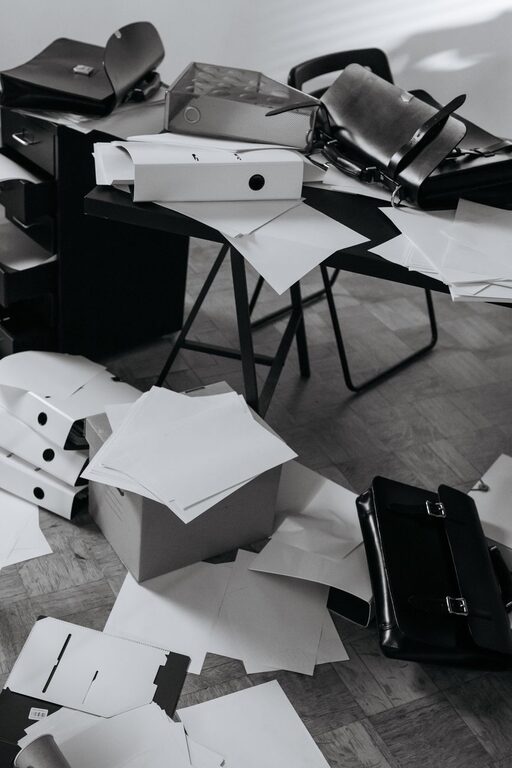
Reducing household paper clutter can feel overwhelming, especially when important documents, bills, and various papers pile up quickly. However, with a few simple adjustments and some consistent habits, you can keep paper clutter under control and create a more organized home environment. In this post, we’ll explore practical tips that anyone can implement to reduce paper clutter effectively.
Why Reducing Paper Clutter Matters
Too much paper lying around can make your home feel chaotic and stressful. It can also lead to lost documents, missed bills, or wasted time searching for important information. By cutting down on paper clutter, you not only free up space but also create a calmer, more efficient living area.
Step 1: Assess Your Current Paper Situation
Before diving into decluttering, take a moment to understand what papers you have:
– Sort papers into categories such as bills, receipts, personal documents, mail, school papers, and magazines.
– Identify what can be recycled, shredded, filed, or digitized.
– Set aside any time-sensitive papers for immediate attention.
Understanding what you’re dealing with helps you plan your next steps and prevents keeping unnecessary papers.
Step 2: Go Digital Where Possible
One of the best ways to reduce paper clutter is to switch to digital options:
– Electronic Billing and Statements: Sign up for e-bills and online statements from your bank, utility providers, and credit card companies. This reduces incoming paper mail.
– Digital Receipts: Whenever possible, ask for email receipts instead of printed ones.
– Scan Important Documents: Invest in a scanner or use a smartphone app to digitize key documents like medical records, warranties, and tax forms. Store these securely on your computer or cloud storage.
– Use Note-Taking Apps: Replace paper notes and lists with apps that sync across your devices.
Going digital not only cuts down on paper but also makes accessing your information easier.
Step 3: Create a Paper Management System
Having a dedicated system for incoming papers helps you stay on top of clutter:
– Designate a Mail Station: Choose a specific place near your entry where all mail is collected.
– Sort Immediately: Sort mail daily or every few days into categories—urgent, to file, to shred, or to act on.
– Use Trays or Bins: Have labeled trays or baskets for different categories to keep papers organized.
– File Efficiently: Use a filing cabinet or portable file boxes to store important documents in clearly labeled folders.
– Purge Regularly: Schedule time monthly or quarterly to review your files and shred outdated papers.
Step 4: Limit Incoming Paper
Reducing the amount of paper you bring in is a preventative step:
– Unsubscribe from Junk Mail: Use services or contact companies directly to reduce unsolicited mail and catalogs.
– Choose Paperless Invitations and Newsletters: Opt for electronic invitations, event reminders, and newsletters.
– Digitize School Papers: Talk with your children about keeping only meaningful papers and digitize artwork or notices.
Step 5: Use Smart Storage Solutions
For papers you must keep, good storage is key:
– Use Vertical Storage: Wall-mounted file organizers save space and keep papers visible.
– Label Everything: Clear labels help you find what you need and keep files orderly.
– Binders and Clear Sleeves: For frequently referenced documents, binders keep papers together neatly.
– Portable File Boxes: If you need to move papers between locations, portable boxes are convenient.
Step 6: Build Daily Habits to Maintain Clutter-Free Paper
Maintaining your progress requires small, consistent habits:
– Deal with Paper Daily: Spend 5–10 minutes each day sorting new papers.
– Monthly Review: Set a monthly reminder to clean out expired papers.
– Shred Unneeded Documents: Protect your information and keep clutter down by regularly shredding sensitive documents.
– Avoid Printing Unnecessarily: Before printing, think if you really need a paper copy.
Additional Tips to Minimize Paper Clutter
– Go Minimalist with Notebooks: Use one notebook or app for notes instead of many scraps of paper.
– Create a Command Center: Have a central spot for calendars, to-do lists, and important notices.
– Digitize Photos: Instead of keeping piles of printed photos, scan and organize them digitally.
Final Thoughts
Reducing household paper clutter is achievable with mindful choices and simple systems. By going digital where possible, managing incoming paper efficiently, and developing daily habits, you can keep your home organized and paperwork under control. Start small, be consistent, and enjoy the benefits of a clutter-free living space!