










Reducing food waste at home is a smart way to save money, minimize environmental impact, and make the most of your groceries. Each year, millions of tons of food get thrown away unnecessarily, and much of this happens in household kitchens. By adopting a few easy habits and planning techniques, you can help reduce this waste significantly. In this post, we’ll explore practical tips and strategies to help you waste less food and enjoy your meals to the fullest.
Why Reducing Food Waste Matters
Food waste isn’t just about lost food; it’s also about wasted resources like water, energy, and labor used to produce and transport that food. When food is discarded, all these resources go to waste, and the food that ends up in landfills produces methane, a potent greenhouse gas. Reducing food waste at home can help you save money and contribute to a healthier planet.
Plan Your Meals Before Shopping
One of the best ways to reduce food waste is to plan your meals in advance. This prevents impulse buys and ensures you only purchase what you need.
– Make a weekly meal plan: Decide what you’ll eat for the upcoming week, including breakfast, lunch, and dinner.
– Check your pantry and fridge: Before shopping, take stock of what you already have to avoid buying duplicates.
– Create a shopping list: Write down only what you need for your planned meals and stick to the list when shopping.
Shop Smartly
Shopping smartly helps minimize excess food that may go uneaten.
– Buy smaller quantities: If possible, purchase only the amounts you can realistically consume before they spoil.
– Choose loose fruits and vegetables: This way, you can select the exact amount you need.
– Avoid bulk buys for perishables: Unless you’re sure you can use it or preserve it in time, avoid buying large packs.
Store Food Properly
Proper storage can extend the life of your groceries and keep food fresh longer.
– Understand storage needs: Some produce lasts longer in the fridge (e.g., berries), while others do better on the counter (e.g., bananas).
– Use airtight containers: Keep leftovers and opened packages fresh by sealing them properly.
– Organize your fridge: Place foods that need to be used soon at the front so they get eaten first.
Use Leftovers Creatively
Leftovers don’t have to be boring. With a bit of creativity, you can turn them into delicious meals.
– Transform leftover veggies: Use them in soups, casseroles, or stir-fries.
– Repurpose cooked meat: Add it to salads, sandwiches, or pasta dishes.
– Freeze extras: If you won’t eat leftovers right away, freezing them can give you extra meal options later.
Keep Track of Expiration Dates
Knowing when your food expires helps prevent unnecessary waste.
– Practice “first in, first out”: Use older items before newer ones.
– Label leftovers: Write the date on containers so you know when they were stored.
– Understand “best before” vs. “use by”: “Best before” indicates quality, not safety, so many foods are still good after the date.
Compost Food Scraps
Even with the best efforts, some food scraps are inevitable.
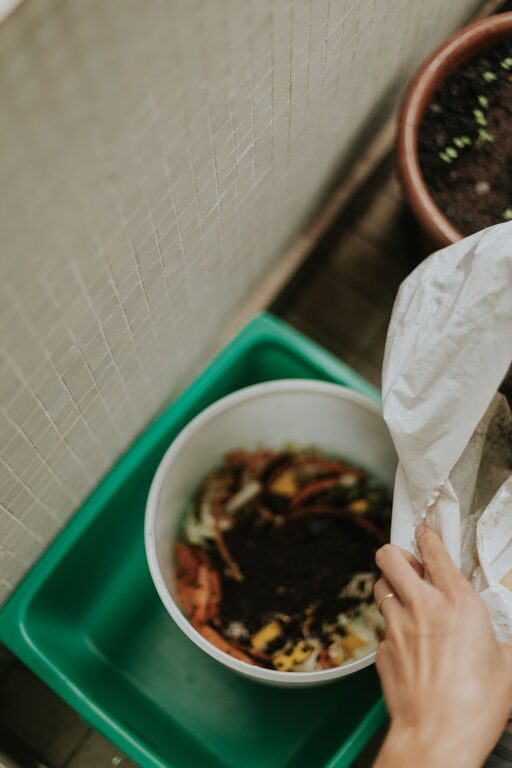
– Start a compost bin: Collect peelings, cores, and other organic waste to compost at home.
– Use municipal compost services: If your area offers compost pickup, take advantage of it.
– Avoid composting meat or dairy: These can attract pests and cause odors.
Practice Portion Control
Serving appropriate portions helps reduce plate waste.
– Serve smaller amounts: You can always go back for seconds if still hungry.
– Let guests serve themselves: This allows people to take only what they want.
Involve the Whole Family
Food waste reduction can be a team effort.
– Teach kids about waste: Encourage children to help with meal planning and understand why wasting food matters.
– Share recipes: Get everyone involved in creating meals that use leftover ingredients.
Use Technology to Help
There are many apps and tools designed to reduce food waste.
– Inventory apps: Track what food you have and when it expires.
– Recipe apps: Find recipes that use specific leftover ingredients.
– Shopping list apps: Keep your list organized and accessible.
Conclusion
Reducing food waste at home is easier than it seems. By planning meals, shopping thoughtfully, storing food properly, and making the most of leftovers, you can cut down on food waste, save money, and contribute to environmental sustainability. Start with one or two of these tips, and gradually build habits that will benefit you and your household in the long run. Small changes can make a big difference when it comes to preserving food and protecting our planet.